
Vertically Integrated
Critical Materials & Advanced Engineering
AIP develops proprietary metallization technologies from first principles — purpose-built to scale. By anchoring at the metal phase, AIP secures the foundation of critical supply chains for Protected Sovereign States: cost-competitive, sovereign-controlled to supply advanced engineered equipment and systems.
The Critical Materials & Advanced Engineering Shortfall
Critical materials and advanced engineering underpin every Protected Sovereign Strategic Market — from National Defense Stockpiles and the Defense and Nuclear Industrial Bases to Robotics, Aeronautics, Astronautics, and Critical Infrastructure Industries. Across these verticals, essential metals and alloys processing, advanced engineering capabilities, and production capacity remain concentrated outside the borders of Protected Sovereign States — compromising sovereignty.
Critical Material Supply Chain Integration Methodology
To meet the physical metals and alloys requirements of Protected Sovereign Strategic Markets — sourced exclusively from compliant origins — AIP targets the bottleneck: metallization and alloying capacity. Once secured, primary and secondary feedstocks are bolted onto the supply chain, with advanced engineering assets added downstream on a case-by-case basis.

Protected Strategic Sovereign Markets Metals & Alloys Supply Chain Analysis
AIP's premise: “...the 30 year era of globalized supply chains for advanced engineered products is over. Sovereign-domain supply chains have returned. AIP's unique, granular understanding of the drivers that shaped both the pre-globalization and globalization periods frames our analysis — and the steps required to rebuild midstream metallization and downstream alloying capacity."
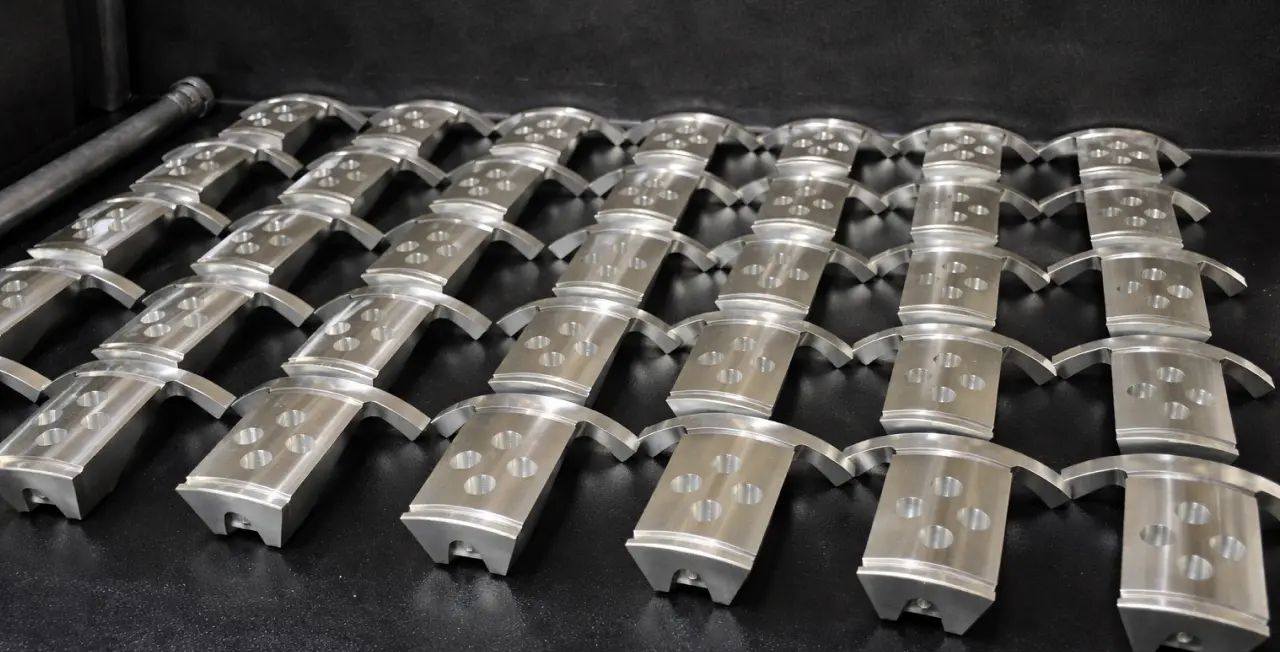
Metallization & Alloying Processing & Technology
Metallization and alloying moved offshore for two interrelated reasons: jurisdictional cost advantage and environmental compliance arbitrage. For thirty years, neither the processes, the sourcing models, nor the environmental approaches were meaningfully advanced — complacency became structural. AIP's reshoring thesis inverts this precisely. De-risked technological advancements collapse the cost differential. Flexible primary and secondary feedstock sourcing eliminates single-source dependency. And one-time environmental compliance investments retire the regulatory excuse permanently. The same two reasons that drove offshoring become the architecture for bringing it back.

Primary and Secondary Feedstocks
AIP's feedstock strategy is flexible by design, not by default. Sourcing models have ranged from offtake agreements with compliant producers to direct ownership and development of upstream assets. The determining factors are two: whether Protected Sovereign Strategic Markets delivery timelines are achieved, and whether the capital deployed upstream could generate greater sovereign value if directed instead toward scaling metallization, alloying, or advanced engineering capacity downstream.

Advanced Engineering
Certain critical material supply chains present advanced engineering opportunities that serve two purposes: they ensure Protected Sovereign Strategic Market requirements are delivered on schedule, and they allow AIP to move further downstream — capturing additional value at every stage. Meeting sovereign timelines and creating economic value are not competing objectives. They are the same move.
The Arlington Doctrine
A Protected Sovereign State that depends on adversarial interests for critical materials does not have a supply chain. It has a vulnerability. Eliminating that vulnerability requires a fully integrated, downstream-to-upstream assessment — mapping advanced engineering requirements back through alloying and metallization to primary sourcing, with every link evaluated for competency, capacity, and compliance.
AIP's entry strategy is surgical: resolve supply chain risk for the strategic sub-section of total demand. These are the end users already caught in a "yesterday is too late" squeeze — constrained on physical delivery, exposed on compliance, and out of conventional options. The strategic portion of demand can be secured on accelerated timelines with materially lower execution risk than mainstream approaches. AIP starts where the need is most acute and the path to resolution is most direct.

Protected Sovereign Strategic Markets
AIP serves the markets that underpin sovereign security and economic resilience across Protected Sovereign States.
.svg)
Sovereign Strategic Stockpiles

Defense Industrial Base

Nuclear Industrial Base

Robotics

Aeronautics

Critical Infrastructure
Arlington Innovation Partners
Arlington Innovation Partners purpose is to re-shore critical materials and advanced engineering equipment and component manufacturing capabilities and capacities to meet the needs of Protected Sovereign Strategic Markets. These markets require physical metals and alloys sourced from compliant supply chains on cost competitive terms.
AIP focuses initially on securing the midstream metallization and downstream alloying capacities. To be cost competitive AIP invests in best in class processing technologies. AIP bolts on primary and secondary sources of feedstocks to these supply chains and on a case by case basis moves downstream to advanced engineered product manufacturing.
Our team comprises process engineers, metallurgists and technologists with decades of experience in developing, building and operating metallurgical projects. Augmenting these skill sets are AIP’s team of strategists, analysts, accountants and in-house counsel to execute the acquisition and financing of these critical material supply chains.”
.jpg)
Demand-Driven Supply Chains
AIP invests in critical materials and advanced engeneering projects where disciplined capital, operational expertise, and strategic advisory restore and secure essential production capabilities across Protected Sovereign States.
Vertical Integration
Full downstream-to-upstream control across materials and advanced Engineering, reducing dependency on adversary-controlled supply chain participants.
Protected Markets Focus
Exclusive alignment with Protected Sovereign Strategic Markets — National Defense Stockpiles (NDS), Defense Industrial Base (DIB), Nuclear Industrial Base (NIB), Robotics, Aeronautics, Astronautics, and Critical Infrastructure Industries — ensuring stability and national security for Protected Sovereign States.
Domestic & Allied Sourcing
Prioritizing PSS domestic and allied nation production and advanced engennering to eliminate reliance on adversary-controlled supply chains.
Efficient Allocation
Investments targeted at high-priority projects that directly support PSS national security and economic resilience.
18-Month Acceleration
Addressing PSS strategic needs within targeted national security timelines through existing capacity and demand-led strategy, typically capturing approximately 5–15% of total domestic demand.